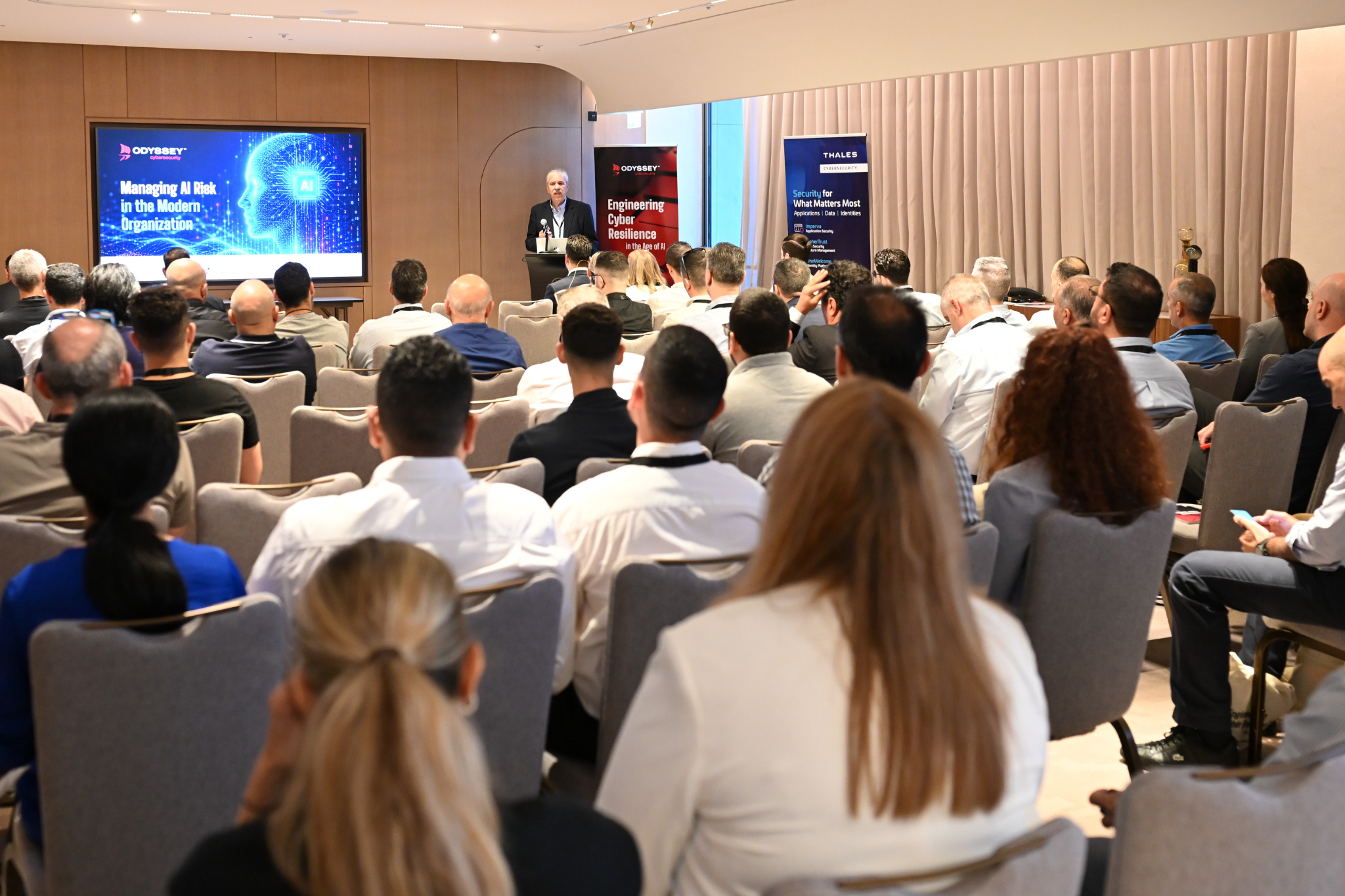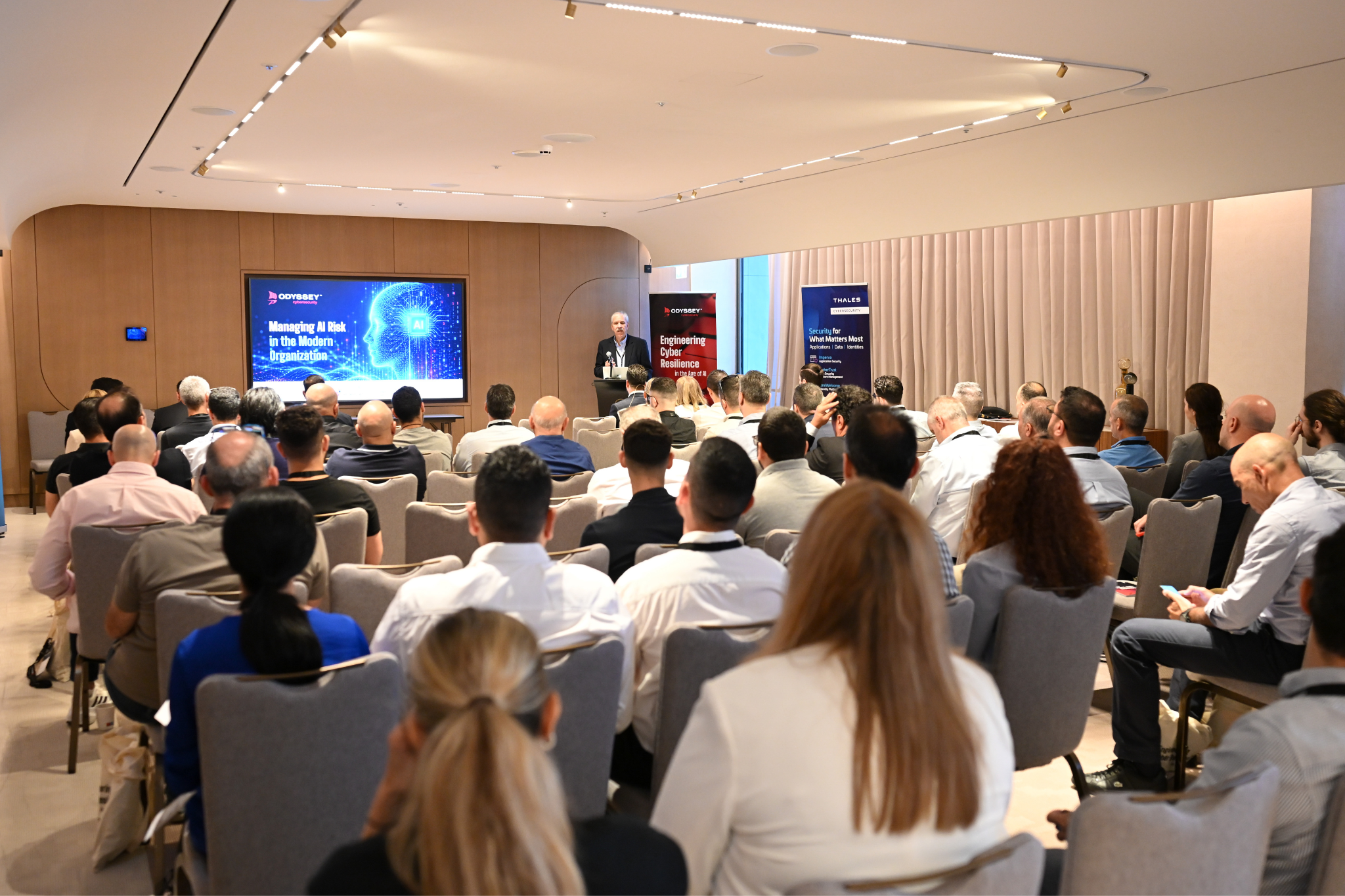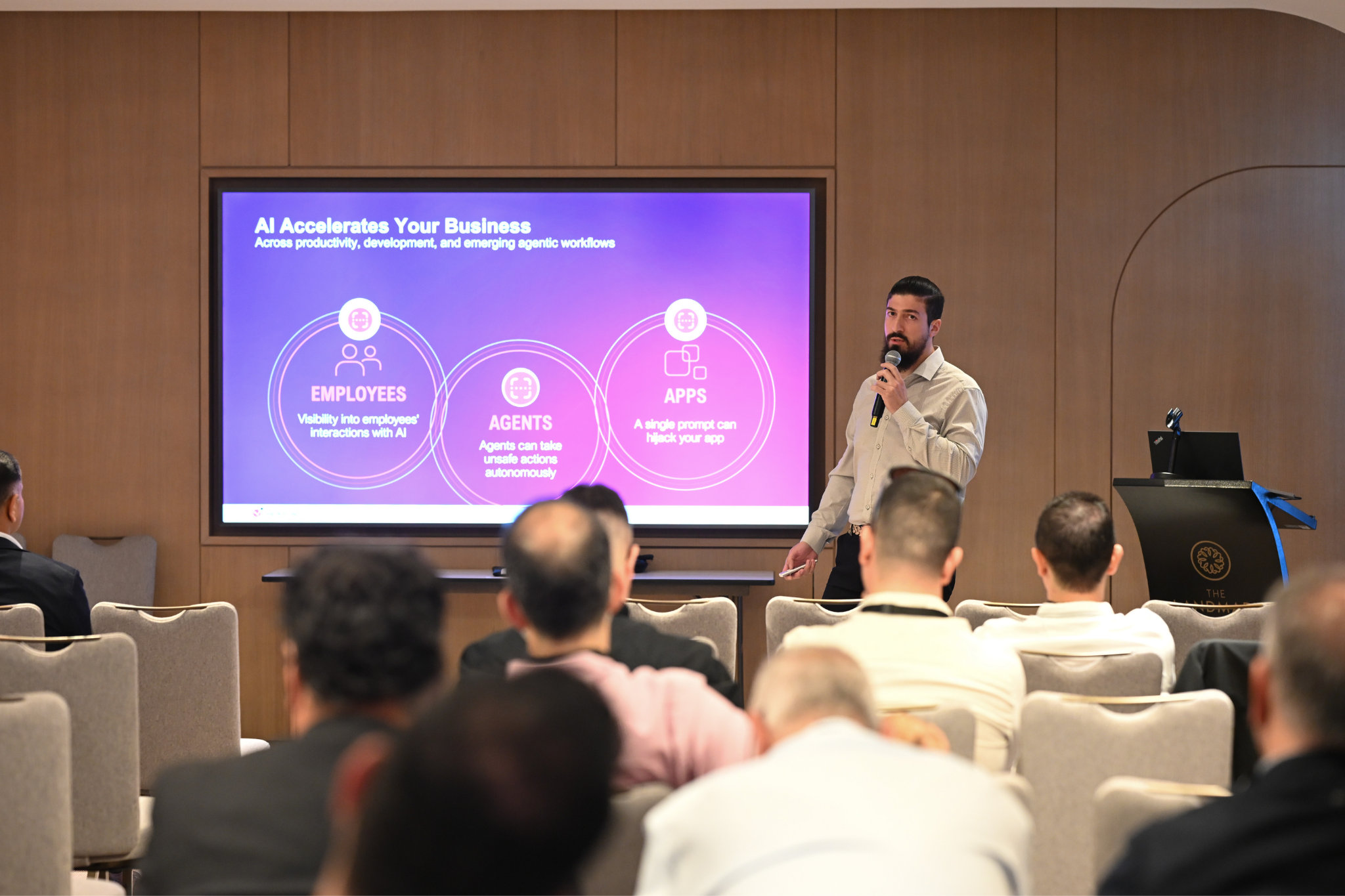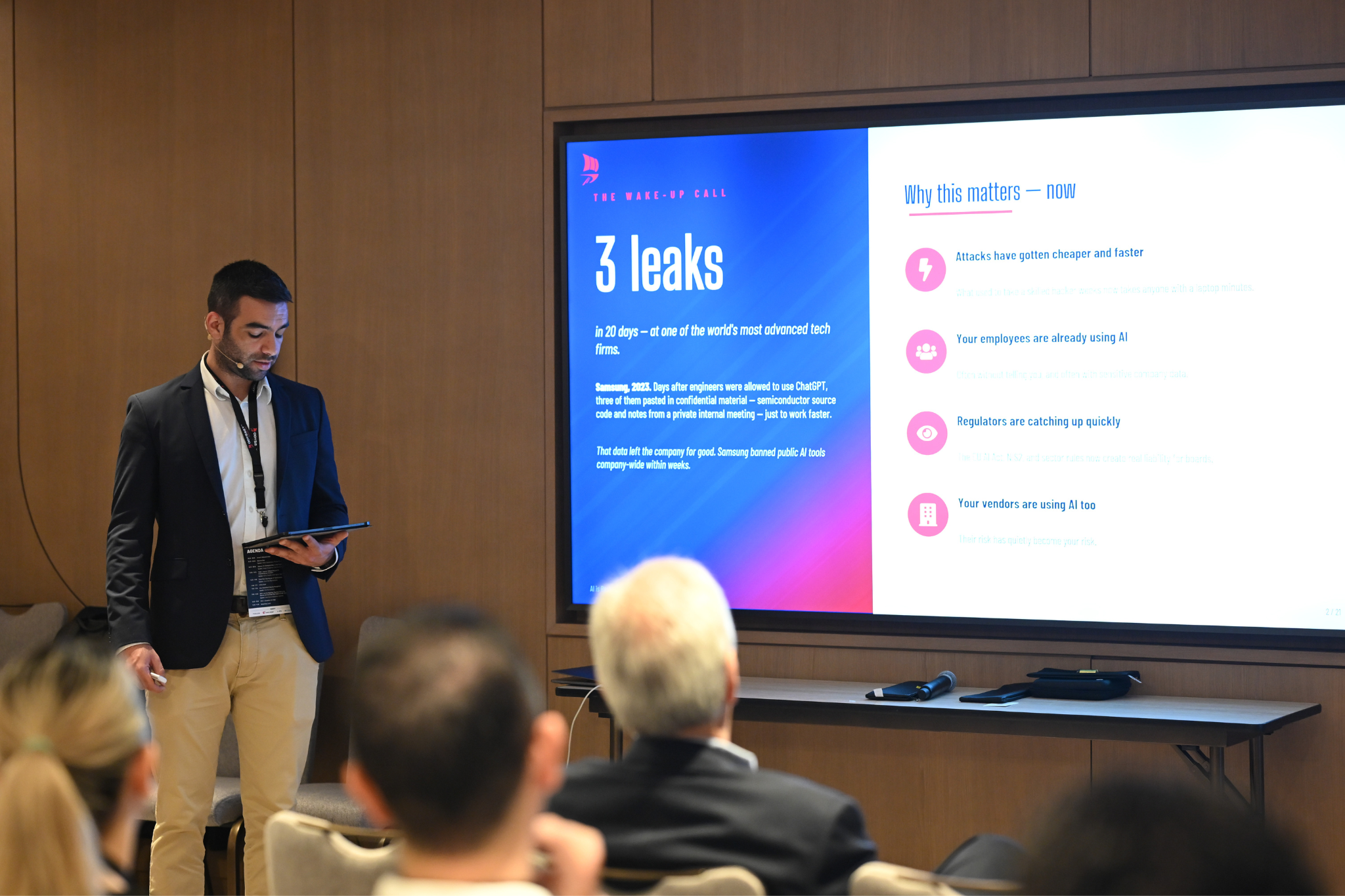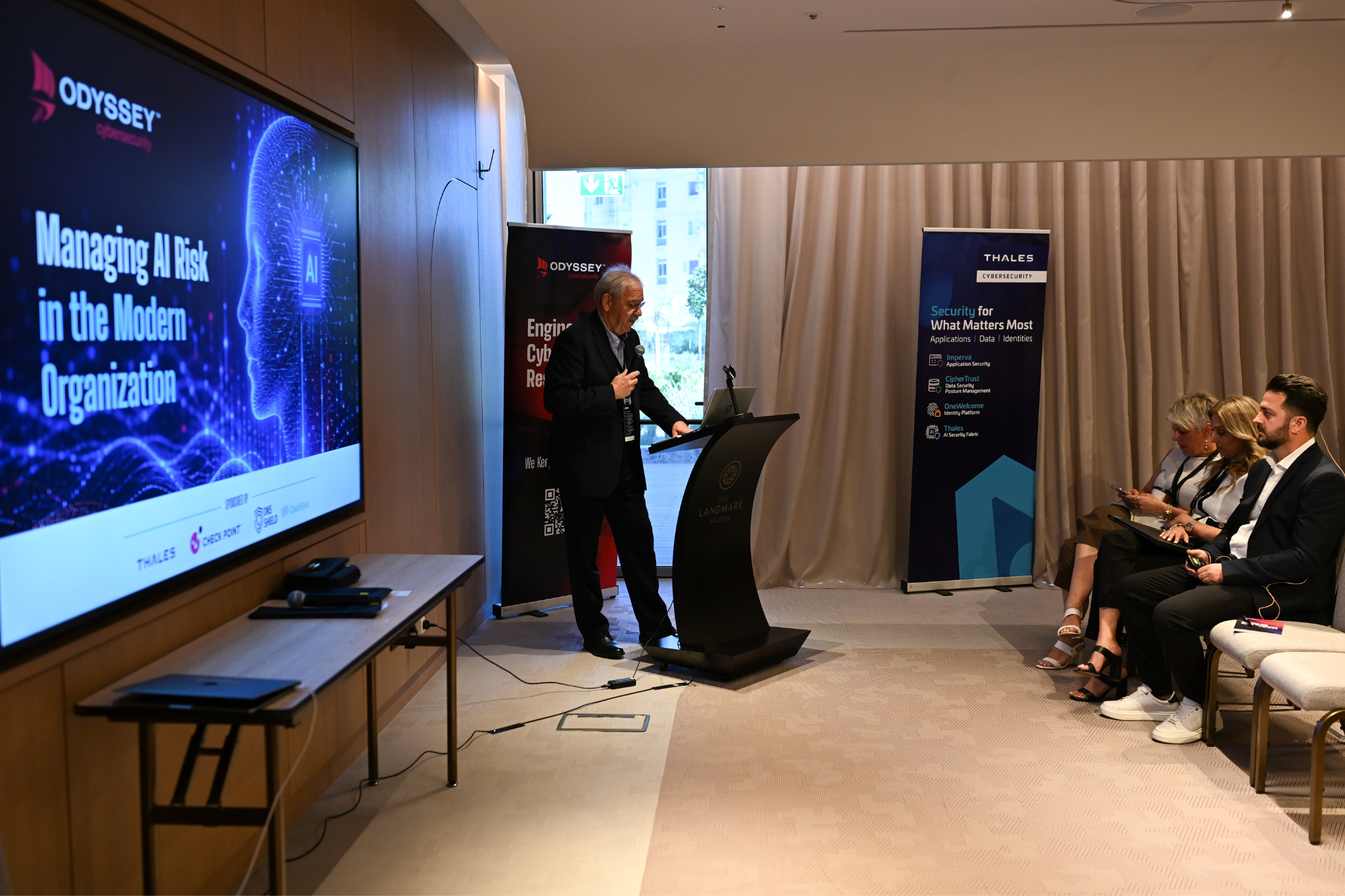

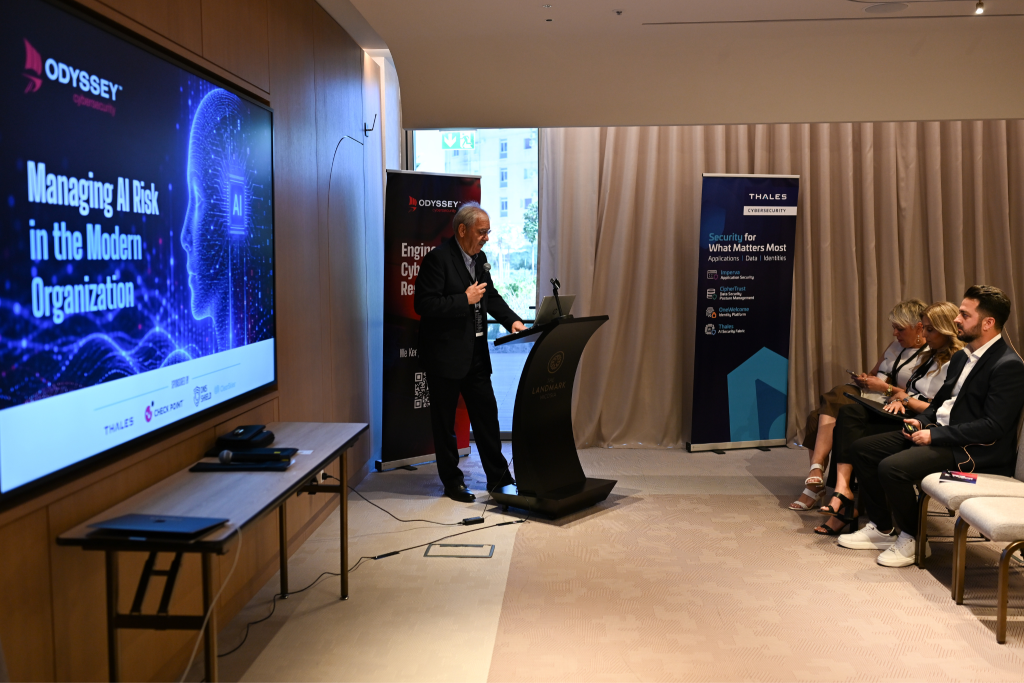
The need for stronger governance, greater visibility, and more effective operational control around Artificial Intelligence adoption was at the center of Odyssey Cybersecurity’s executive event, “Managing AI Risks in the Modern Organization,” held at The Landmark Nicosia.
Bringing together senior executives from technology, cybersecurity, compliance, and risk management functions, the event highlighted a critical reality facing modern organizations: AI adoption is advancing faster than many organizations’ ability to establish visibility, accountability, and effective governance frameworks.
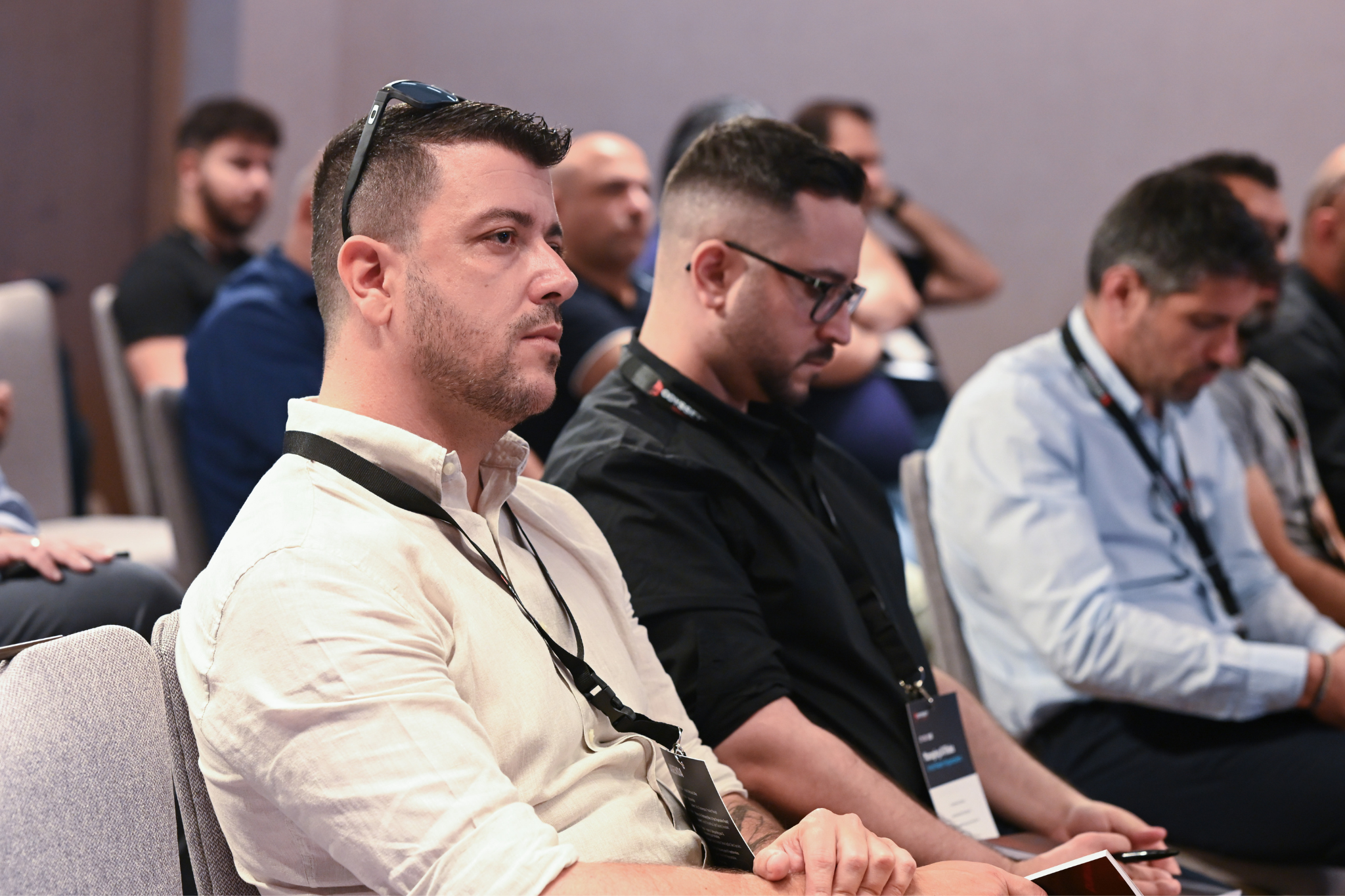
Executives from the banking, insurance, financial services, maritime, and healthcare sectors participated in discussions focused on the operational, technological, and regulatory challenges arising from the growing use of AI technologies. Central to these discussions was the need to move from fragmented or uncontrolled AI usage toward a more mature model of governance, security, and cyber resilience.

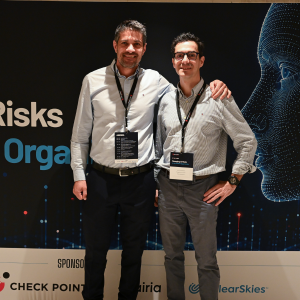

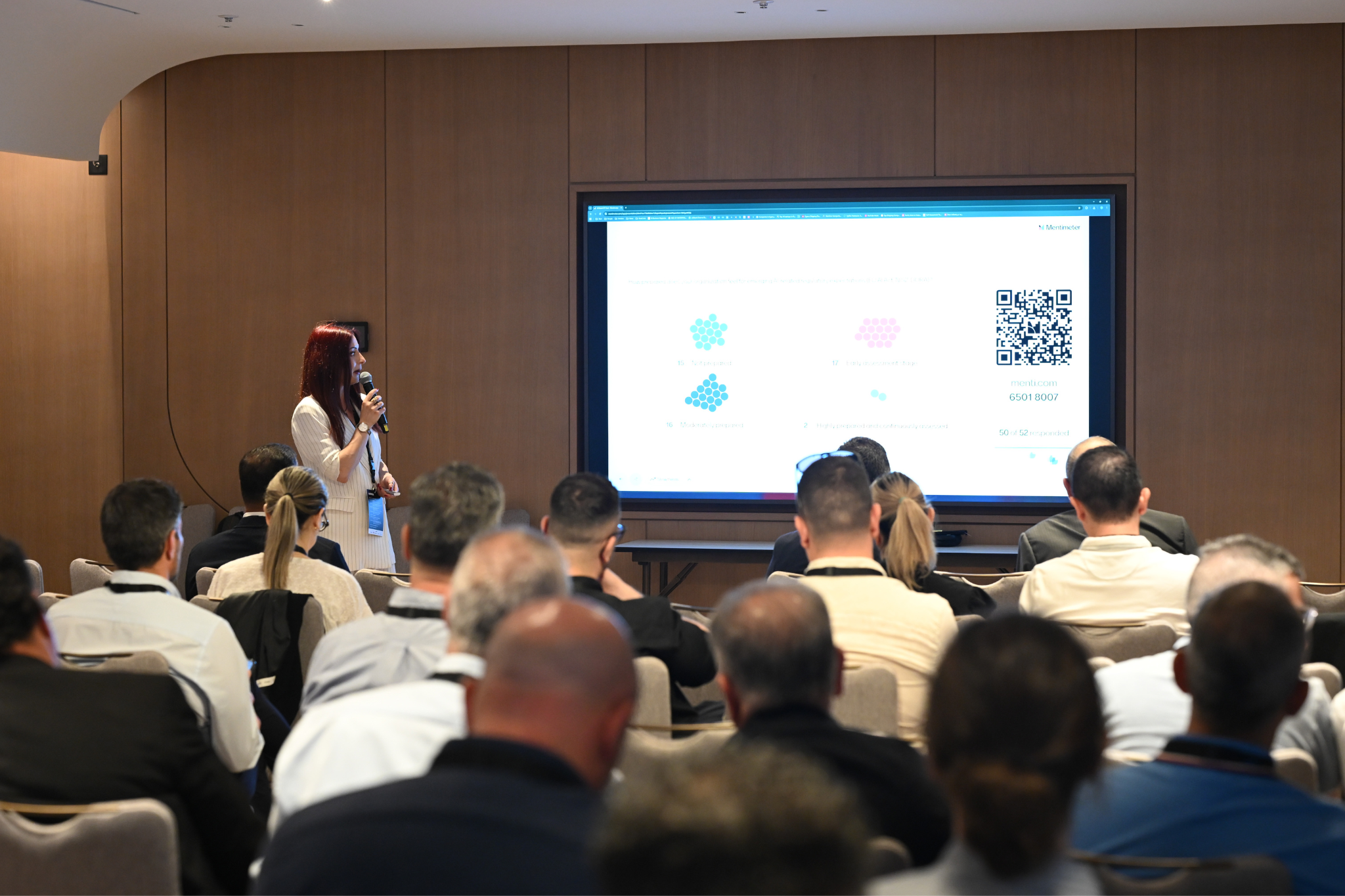
Findings from the live Executive Pulse Check, conducted during the event through an interactive survey, revealed that the market is still in a transition phase when it comes to AI governance maturity and operational readiness.
Key findings included:
- Most participants reported limited or partial visibility into AI usage across their organizations.
- A significant percentage indicated that their organizations remain in the early stages of developing AI governance frameworks and related policies.
- Lack of visibility and continuous monitoring emerged as one of the primary challenges to the secure use of AI.
- Governance and compliance were identified as the most significant challenges for securing AI-driven operations in the years ahead.
Many organizations reported that they still lack adequate capabilities to detect and investigate threats associated with the use or misuse of AI technologies, as well as abnormal or high-risk AI-related activity.
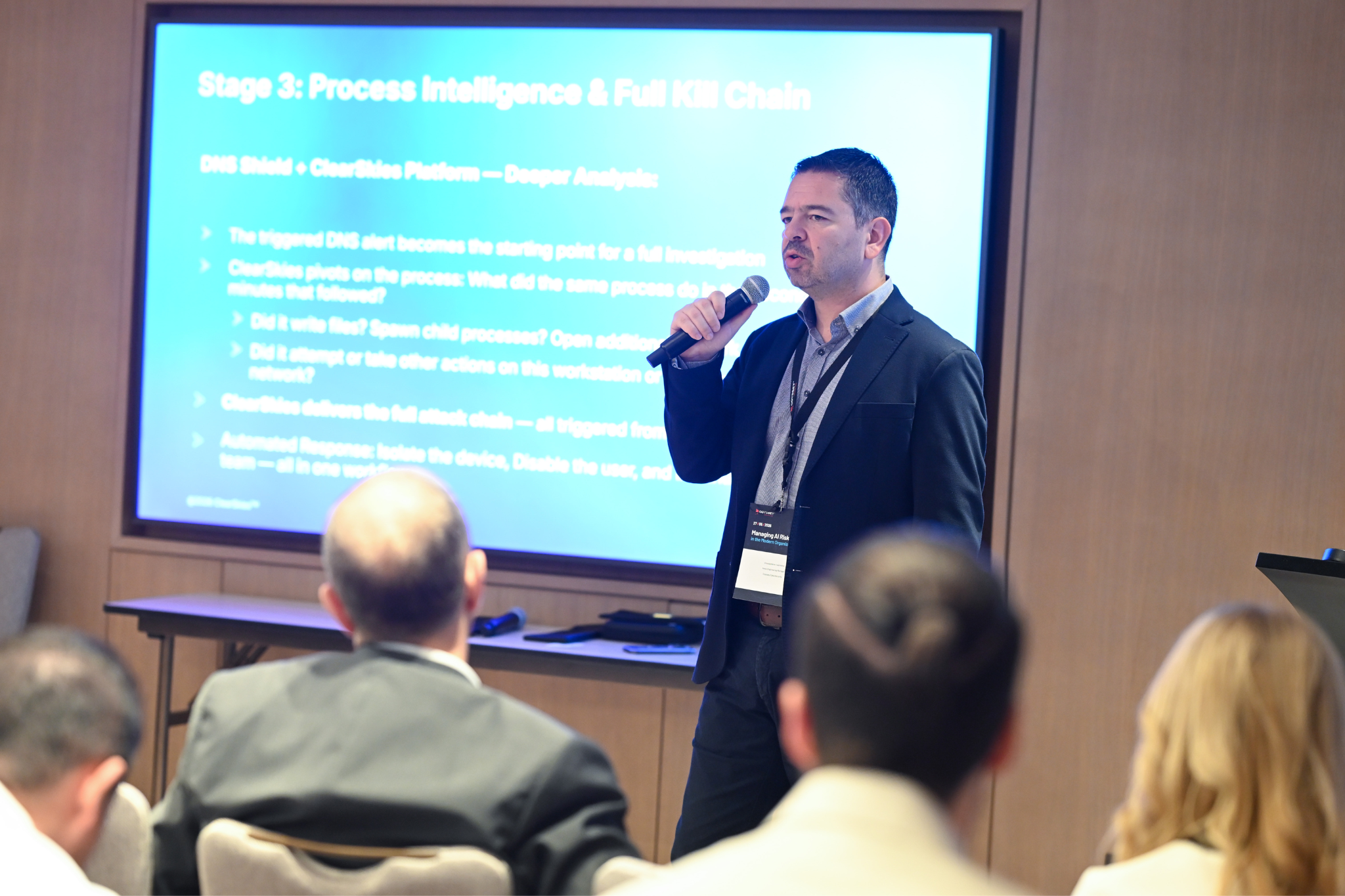
Presentations and discussions focused on AI governance, AI security operations, data protection, identity and trust, AI visibility, resilience, and operational control, featuring experts from Odyssey Cybersecurity and strategic partners including Check Point, Thales/Imperva, and ClearSkies™.
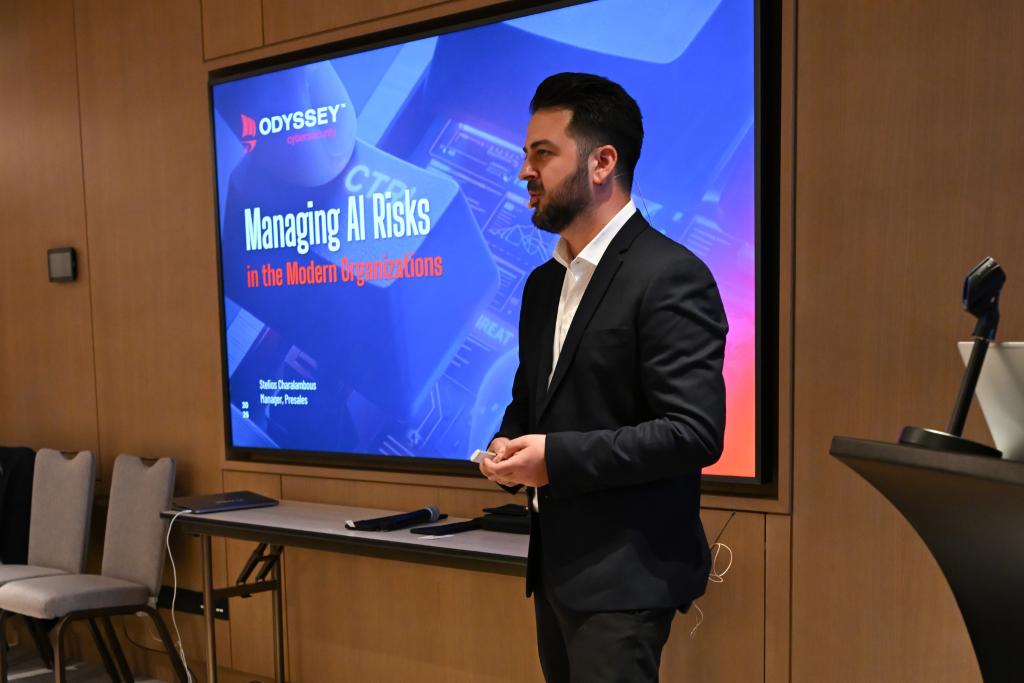
A key highlight of the event was the official introduction of ClearSkies™ DNS Shield, Odyssey Cybersecurity’s latest solution designed to strengthen visibility and control over internet activity while protecting organizations against modern threats that leverage DNS as a communication, control, or initial access mechanism.
The launch of ClearSkies™ DNS Shield underscored the growing importance of DNS Security in today’s cybersecurity landscape. As emphasized throughout the discussions, DNS protection is no longer a niche or secondary security concern. It has become a critical layer of defense that deserves the same level of attention as endpoint security, identity protection, and business-critical applications.
The discussions further confirmed that the need for greater visibility, control, and resilience against AI-enabled and cloud-driven threats is becoming a strategic priority for organizations, with DNS security emerging as one of the most important areas of protection for the years ahead.
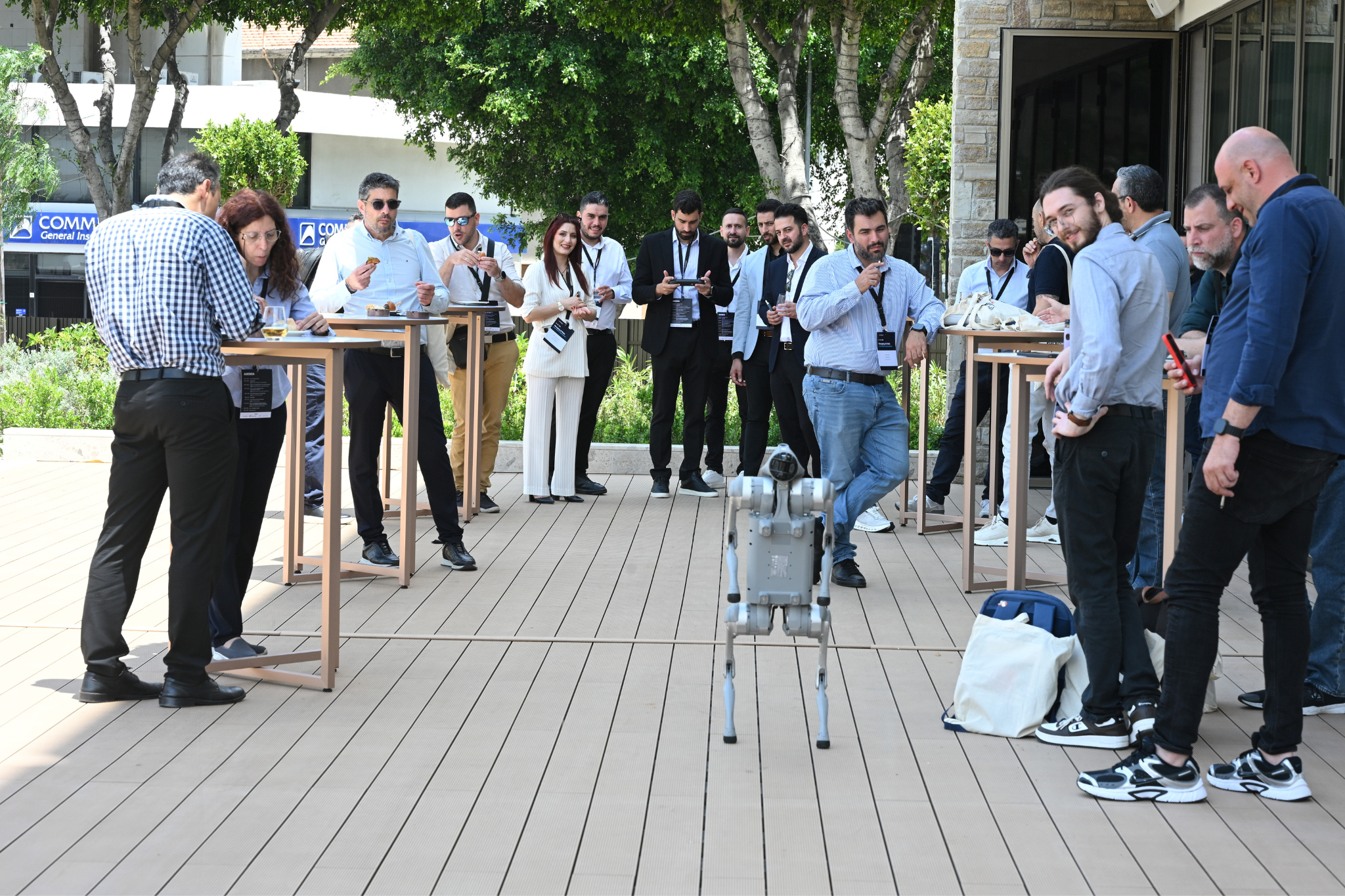
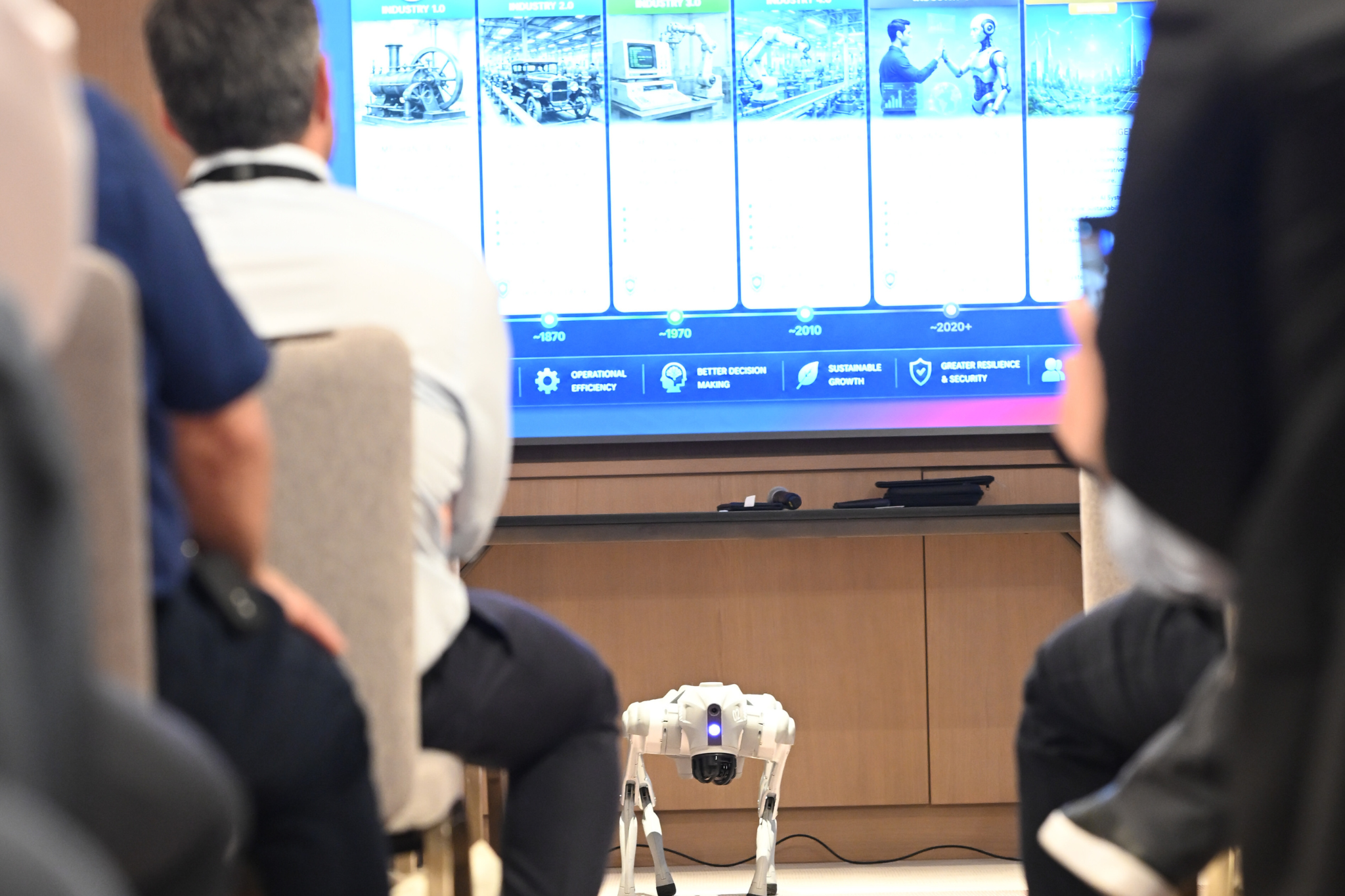
Beyond the technology discussions and strategic insights, attendees were particularly impressed by the presence of Argos, the robotic system that became one of the most talked-about highlights of the event. Argos served as a powerful symbol of the convergence between artificial intelligence, automation, and human decision-making in today’s business environment.
As highlighted throughout the event, AI risk management is rapidly evolving beyond a purely technological discussion and into a matter of business strategy, regulatory compliance, and organizational resilience. For organizations, the challenge is no longer simply adopting new technologies, but ensuring they can be governed, monitored, and managed in a secure, responsible, and controlled manner.
Odyssey Cybersecurity remains committed to advancing the public dialogue around cybersecurity, AI governance, and cyber resilience, helping organizations and decision-makers adopt Artificial Intelligence safely, responsibly, and with confidence.